
Satin vs Elastomeric Paint for Miami Stucco
By Danova Renovations
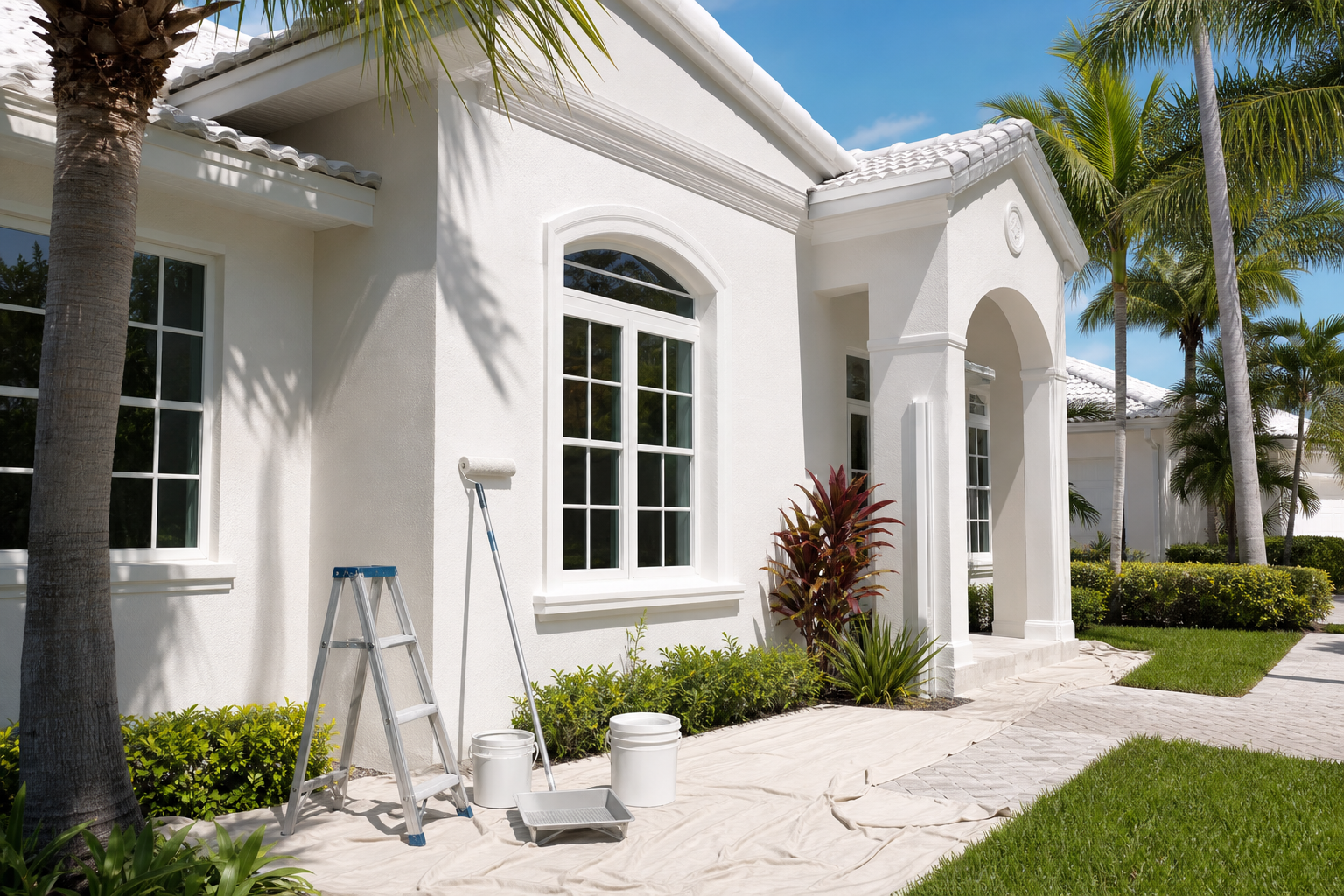
Stucco homes in Fort Lauderdale, Miami, Davie, Hollywood, Dania Beach, and Miramar take a beating from sun, afternoon storms, salt air, and year-round humidity. When exterior paint starts chalking, fading, or showing hairline cracks, many homeowners ask the same question: should we repaint with a satin acrylic finish or upgrade to an elastomeric coating?
Both can be good choices. The right answer depends on the condition of the stucco, how much cracking you see, whether moisture is trapped behind old paint, and how crisp you want the home to look for curb appeal or resale. Here is how Danova Renovations helps South Florida homeowners choose before investing in a full exterior repaint.
Why South Florida stucco needs more than a color change
Exterior paint failure is usually a system problem, not just a bad color choice. Stucco needs cleaning, crack repair, primer where needed, and a coating that can handle heat, moisture, and movement. If mildew is painted over, it returns. If chalky paint is not washed and sealed, the new coat cannot bond well. If hairline cracks are skipped, rain can keep finding a path behind the finish.
This is why a quality exterior repaint starts with pressure washing, scraping loose paint, repairing cracks, sealing gaps around windows and doors, and checking whether previous coatings are still breathable. The sheen or coating type matters, but prep decides how long the finish looks professional.
Comparison: satin acrylic vs elastomeric stucco paint
| Priority | Satin acrylic exterior paint | Elastomeric stucco coating |
|---|---|---|
| Best fit | Stucco in good condition with light wear, fading, or mildew staining. | Stucco with many hairline cracks or weathered surfaces that need extra bridging. |
| Look | Clean low-luster finish that feels fresh, bright, and easy to wash. | Thicker, more protective film with a softer, heavier look on textured stucco. |
| Moisture behavior | Breathes well when installed over sound, prepared paint. | Adds strong water resistance, but the wall must be dry so moisture is not trapped. |
| Crack handling | Needs crack repair first; paint alone is not a crack filler. | Better at spanning tiny movement cracks when applied at the right thickness. |
| Maintenance | Easy to rinse and touch up in most cases. | Durable, but touch-ups can be more visible because the film is thicker. |
| When Danova recommends it | Most repaints where the stucco is solid and curb appeal is the goal. | Homes with recurring hairline cracks, high rain exposure, or older stucco needing extra protection. |
How Danova evaluates the exterior before recommending a system
- Wash and inspect: We look for chalking, mildew, peeling paint, soft stucco, and cracks around windows, fascia, garage doors, and parapets.
- Identify moisture risks: In coastal areas near Miami and Fort Lauderdale, we pay close attention to balcony edges, planter walls, and shaded elevations that stay damp longer.
- Repair first: Cracks, failed caulk, popped patches, and damaged trim are addressed before finish coats. Paint should protect repairs, not hide problems.
- Choose the right sheen: Satin acrylic is often the best balance for cleanability and curb appeal. Elastomeric makes sense when the substrate needs extra flexibility.
- Coordinate details: Front doors, fascia, shutters, garage doors, exterior tile, and porch flooring should work with the new body color so the home looks intentional.
Color, ROI, and curb appeal tips for local homeowners
In South Florida, lighter exterior colors usually age more gracefully than dark colors because they show less heat stress and fading. Warm whites, soft sand, light greige, muted coastal blue, and pale gray can make a stucco home look newer without fighting the neighborhood style. Dark accents can still work on doors or shutters when the product is rated for sun exposure.
For homeowners preparing to sell, a clean exterior repaint often improves first impressions before buyers step inside. Danova keeps the recommendation practical: fix visible cracks, refresh the main body color, sharpen trim lines, and make sure the entry feels well maintained. A repaint should support the rest of the property, including landscaping, exterior lighting, and any flooring or porch updates near the front door.
Frequently Asked Questions
- Is elastomeric always better than satin paint? No. Elastomeric is useful for certain cracked stucco conditions, but satin acrylic can be the smarter choice when the wall is sound and needs a breathable, washable finish.
- Can paint stop mildew permanently? No coating can fix poor drainage, heavy shade, or dirty surfaces by itself. Proper washing, mildew treatment, airflow, and maintenance matter.
- Should I use flat paint on exterior stucco? Flat can hide texture, but satin or low-sheen acrylic usually cleans more easily in humid South Florida neighborhoods.
- How do I know if old paint is trapping moisture? Warning signs include bubbling, soft patches, peeling around cracks, and stains that return quickly after cleaning. A contractor should inspect before coating over it.
If your Fort Lauderdale or Miami stucco home is fading, chalking, or cracking, Danova Renovations can inspect the exterior and recommend the right satin acrylic or elastomeric system. Request a free estimate from Danova Renovations to get a practical repaint plan for your South Florida home.